
Magnesium deficiency, or hypomagnesemia, is a condition in which the amount of magnesium in the body is lower than expected. Magnesium is an important electrolyte (a mineral that carries an electrical charge). It works with other electrolytes, such as sodium, potassium, and calcium.
Together, these electrolytes play a role in bone development, energy production, blood pressure regulation, and much more. Hypomagnesemia occurs when a circumstance, drug, or disease alters the body’s normal intake, absorption, or excretion of magnesium.
The Function of Magnesium in the Body
Magnesium is an essential mineral, or electrolyte, that the body needs to stay healthy. Magnesium plays a vital role in:
- Bone and tooth development
- Energy production
- Blood sugar and protein levels
- Muscle and nerve function
- Blood pressure regulation
- Heart health
Why Magnesium Is Important
Magnesium works together with other electrolytes, such as calcium, potassium, and sodium. Electrolytes are found in cells, body fluids, tissues, and bones and are essential because they:
- Balance water in the body
- Balance the body’s acid/base (pH) levels
- Move nutrients in and out of cells
- Move wastes out of cells
- Ensure nerves, muscles, the heart, and the brain work properly
The recommended amount of magnesium varies according to age, but most healthy adults should have between 310 to 320 mg of magnesium per day (women) or 400 to 420 mg per day (men).
Signs and Symptoms
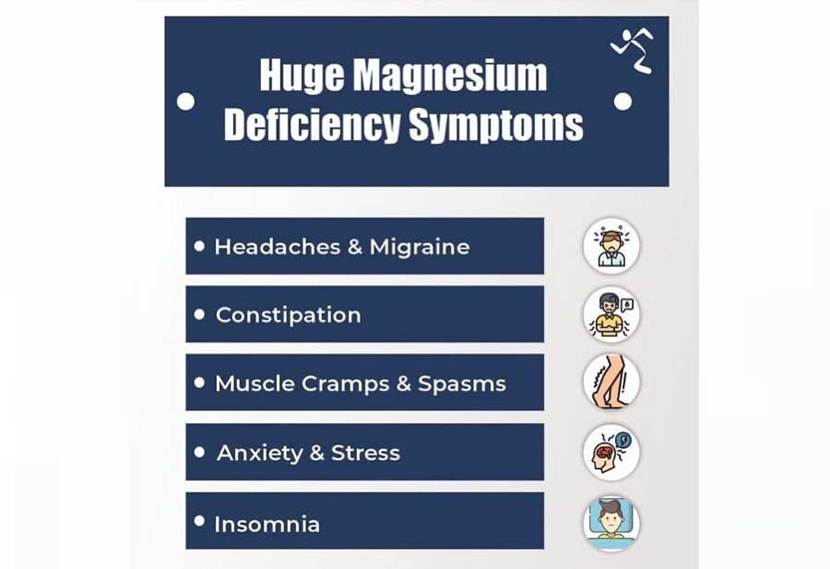
One of the first signs of magnesium depletion often is fatigue. However, there are other early signs and symptoms, including:
- Loss of appetite
- Nausea or vomiting
- Fatigue
- Weakness
- Muscle spasms
- Stiffness
As magnesium deficiency worsens, the following symptoms may be present:
- Tingling or numbness
- Muscle cramps or contractions
- Tremors
- Seizures
- Personality or behavioral changes
- Abnormal heart rhythms
- Cardiac or heart muscle damage
- Coma
Causes of Magnesium Deficiency
Severe magnesium deficiency due to low dietary intake in otherwise-healthy people is uncommon because the kidneys regulate the urinary excretion (waste) of this mineral. However, continuously low intake, decreased absorption, or extreme losses of magnesium can lead to symptomatic magnesium deficiency. Some causes include:
- Starvation
- Severe diarrhea
- Fat malabsorption (the inability to absorb or digest fat)
- Alcoholism
- Gastric bypass surgery
- Kidney malfunction
- Some medications, including diuretics or chemotherapy
Associated Health Conditions
Certain health conditions can put people at risk for magnesium inadequacy. These disorders create conditions that lead to reduced magnesium absorption through the intestines (gut) or increase losses from the body. These health conditions include:
- Gastrointestinal illnesses: Magnesium is absorbed in the intestines. Diseases that affect the intestines can cause chronic diarrhea and fat malabsorption, leading to magnesium loss over time. This is espe1cially true if someone has had resection or bypass of the small intestine, particularly the ileum.
- Type 2 diabetes: Those with type 2 diabetes often have increased urination, which can cause magnesium depletion.\
- Chronic alcoholism: Alcoholism can lead to poor nutrition, gastrointestinal problems, kidney dysfunction, liver disease, and depletion of other minerals such as phosphate and vitamin D. All of these may contribute to decreased levels of magnesium.
- Hungry bone syndrome: Afterpartial or total thyroid removal surgery, the body may increase how much magnesium it uses, causing the hungry bone syndrome, a state of severe hypocalcemia.
- Pancreatitis: Sudden inflammation or swelling in the pancreas can cause malabsorption and depletion of nutrients such as magnesium.
- Kidney disease: Diseases or illnesses that cause the kidneys to have problems regulating magnesium output can cause a deficiency.
Magnesium Deficiency May Worsen These Diseases
Studies show magnesium deficiency may worsen the following diseases:
· Hypertension (high blood pressure), heart disease, and stroke
· Type 2 diabetes (the inability of the body to properly use glucose, or sugar, as fuel)
· Osteoporosis (brittle bones)
· Migraines (debilitating headaches)
At-Risk Populations
Older adults
Older adults often have decreased appetites, which may lead to lower nutritional intake. As normal aging occurs, the body naturally loses some ability to absorb nutrients in the intestines and regulate the excretion of nutrients in the urine. Older adults are also more likely to have chronic diseases or take medications that can deplete magnesium levels.
Infants and children
Infants and children are especially vulnerable to electrolyte imbalances related to dehydration due to their smaller size and fast metabolism. This is what causes them to replace water and electrolytes at faster rates than adults.
Prevention

Prevention starts with the dietary or nutritional intake of magnesium through foods and fluids. Food high in fiber such as spinach, nuts, seeds, and whole grains are good sources of magnesium. Some cereals and bottled drinking water have added magnesium.
Summary
Magnesium deficiency due to low dietary intake in otherwise-healthy people is uncommon. However, it’s important to include leafy green vegetables, nuts, seeds, and whole grains in your diet to prevent low levels of nutrients like magnesium.
Magnesium deficiency is treatable, but early detection makes treatment easier. Implementing healthy lifestyle changes, such as improving your diet and cutting down on alcohol consumption, are great ways to start making changes on your own.