
As a result of changes in the way we eat and live, some chronic diseases are increasingly affecting both developed and developing countries. Indeed, diet-related chronic diseases – such as obesity, diabetes, cardiovascular disease, cancer, dental disease, and osteoporosis – are the most common cause of death in the world and present a great burden to society.
Over the last century, the medical community’s understanding of dietary science and the role of nutrition in the development of chronic diseases has expanded dramatically. However, so-called “fad diets” and poor health advice from non-experts – fueled by social media – have led to the rapid growth of misinformation. To combat this epidemic of health misinformation, it is helpful to refocus on the basics: what to eat and drink.
Good nutrition is essential to keeping current and future generations healthy across the lifespan. A healthy diet helps children grow and develop properly and reduces their risk of chronic diseases. Adults who eat a healthy diet live longer and have a lower risk of obesity, heart disease, type 2 diabetes, and certain cancers. Healthy eating can help people with chronic diseases manage these conditions and avoid complications.
How lifestyle affects your health
In 2001, chronic diseases accounted for approximately 60% of deaths worldwide. Almost half of these deaths are attributed to cardiovascular diseases. In addition, obesity and diabetes already affect a large proportion of the population and have, worryingly, started to appear earlier in life.
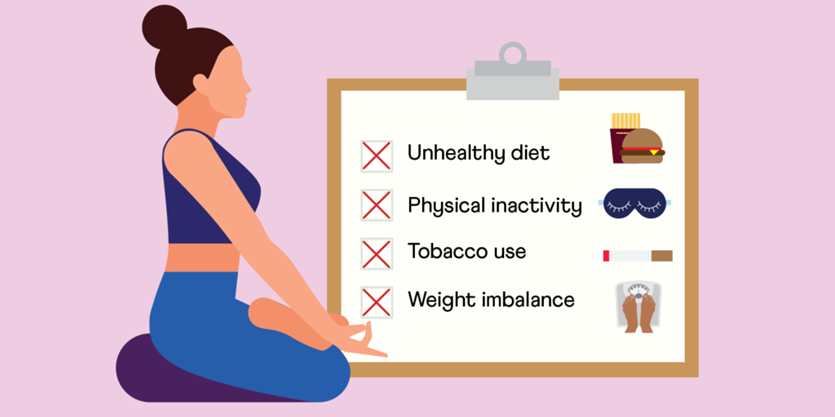
Shifts towards a high-fat, energy-dense diet and a sedentary lifestyle, first occurred in industrial regions and more recently also in developing countries. Factors that can increase the risk of developing chronic diseases are an unhealthy diet, physical inactivity, tobacco use, and alcohol consumption.
We can prevent many of these chronic conditions by addressing their root cause: daily habits. About 80% of chronic diseases are driven by lifestyle factors such as diet and exercise. Changes in the diet that may be helpful in reducing the risk of chronic diseases include eating a diet that is low in fat and sugars and rich in fruits, vegetables, and wholegrain foods.
How to prevent lifestyle diseases
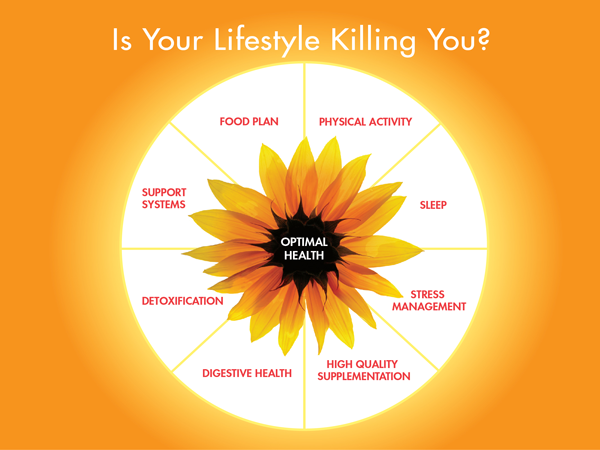
Scientific evidence suggests that it is possible that maintaining a healthy lifestyle can prevent and control chronic disease. Major risk factors that have been proven to contribute to chronic diseases are unhealthy diets, lack of physical activity, and smoking.
1. Diet
Eat plants that are whole, unrefined, and minimally processed. Eating plant-based foods helps reduce diabetes, heart disease, and cancer risk.
There is evidence that the Mediterranean diet can reduce the risk of developing cardiovascular disease and other chronic diseases. This diet is rich in vegetables, fruits, legumes, whole grains fish, olive oil, and nuts.
Other evidence suggests that consuming a fully plant-based diet can even reverse chronic, diet-related conditions, including advanced heart disease. This diet eliminates meat, dairy, and eggs and includes whole foods such as vegetables, whole grains, legumes, and fruits. It is the most compassionate and the most sustainable diet, Dr. Golubic says, and the one he recommends most. Avoid refined and processed plant foods.
2. Physical activity
Moving helps all your body’s systems. Experts recommend 150 minutes of moderate-intensity activity each week.
If that seems daunting, We recommend starting small. Most of us can walk. So start with a 10-minute walk. Repeat this two or three times a day. Then try to walk faster, have a minute of more intense walking or climb a flight of stairs. If walking is not an option, any physical activity will do. Simply move more and sit less.
3. Sleep
Shoot for seven to nine hours of restful sleep each night. But if you just can’t help burning the midnight oil, try to:
- Have a consistent bedtime and wake time, even on the weekends.
- Be physically active daily.
- Limit alcohol and caffeine.
- Put digital devices away 90 minutes before bedtime.
- Keep your sleep area cool, dark, and comfortable.
4. Stress relief
Chronic stress is not your immune system’s friend. Try mindfulness, meditation, and gratitude to relieve stress and improve your physical and mental health.
We tend to self-medicate with food, but there are healthier ways to relieve our stress, worries, and concerns.
Mindfulness: Mindfulness is the state of being more present and aware of what you sense, feel and experience. It’s a great way to cope with stress and relax.
We suggest two ways to master mindfulness:
- Practice daily: The key is to schedule it. Find a quiet place. Observe your body movements as you breathe — how your belly expands and shrinks, or how the air flows in and out of your nostrils. “The key is to observe — don’t try to change the depth of inhalation or frequency of breathing. Let your body do what it normally does more than 20,000 times per day,” he says. Start with five minutes per day and work up to 20 minutes.
- Pay attention to the present moment throughout the day: For example, when brushing your teeth, brush like it’s your first time. Using your non-dominant hand may help you pay better attention. You can even practice mindfulness while taking out the garbage, washing the dishes, or noticing your breath while you wait for the light to turn green. Any activity where you remember to pay attention can be a mindfulness practice.
Why is it so hard to make healthy lifestyle changes?
There are a few reasons it can be hard to get a handle on our habits, including:
- A lack of access to healthy options: A drive down the street reveals the convenient truth: cheap, unhealthy fast-food options everywhere you look. This can make it hard to make good choices.
- Too many subliminal messages: Subliminal messages can sabotage good lifestyle habits. For example, think about advertisements showing beautiful people eating unhealthy foods. Or the images of yoga poses featuring young people instead of those who need yoga the most — older people with two to four chronic conditions.
- An instant gratification culture: It can take weeks to months to make something a habit — and sometimes longer to see the benefits of those changes. When implementing healthy lifestyle changes, we have to be patient.
How to maintain healthy lifestyle habits long-term
To make healthy habits stick, We suggest you:
- Take small steps: Do evolution rather than revolution. Choose achievable goals. Start with listening to meditation tracks for five minutes three times a week and continue adding more days and minutes as you are making progress.
- Set realistic expectations: Avoid being too critical of yourself. Embrace the saying, “progress not perfection.”
- Educate yourself: Learn the science behind opinions. Seek advice from professional associations.
- Think big picture: Those who reflect on what’s important to them and how they fit into a larger whole have better results. Food choices are spectacular examples. So our food choices not only affect our health but the well-being of all life on the planet.
Healthy eating is all about balance. You can enjoy your favorite foods even if they are high in calories, fat or added sugars. The key is eating them only once in a while, and balancing them out with healthier foods and more physical activity.