Indians are blessed to have an all-rounder-versatile, vibrant, and colorful Indian menu every day on their dining table. Indian diet is all about diversity because, on the same table, you have the steamed puttus or idiyappam and stuffed parathas, for breakfast. But do you think that Indian food habits are responsible for our protruding bellies? The answer would be NO. Why? That is because there is more to weight gain than just a specific diet.
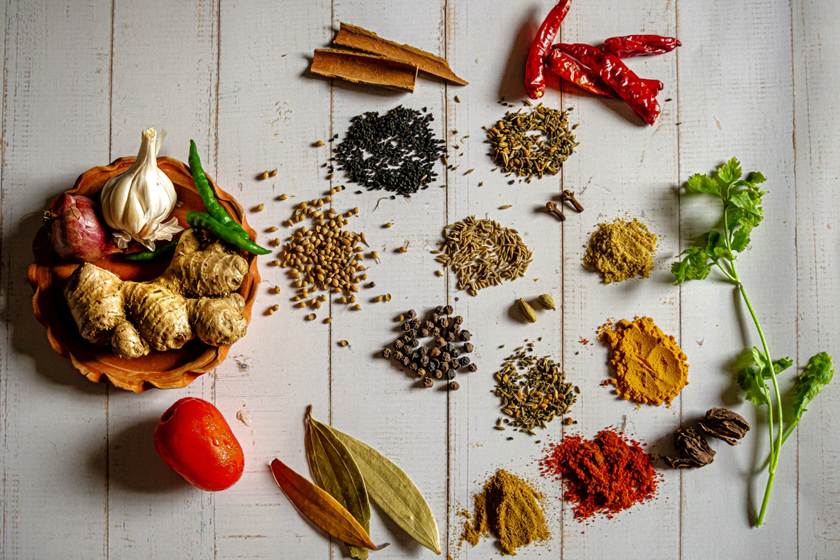
To give a bit of context, each state in India has its specialized cuisine that is similar and differs from each other. You will find the right balance of sweet-spicy, sour, hot, salty, astringent, and bitter flavors. For example, Maharashtra has Malawani cuisine known to use a lot of tamarind and coconut (fried, dried, or grated). This cuisine also uses the spiciest spices, like black pepper, chilies, and other bold spices, just like the Chettinad cuisine in Tamil Nadu.
But, the reason for your belly fat could be the cooking method adopted to cook the food. If you are ditching steamed idlis over the deep-fried medu vadas, then you are at fault. That is because fried foods have high-fat content and drive your insulin resistance, thus causing belly fat to accumulate. Even though at the very center, Indian food is healthy and delicious, let’s explore some of the reasons this could be the leading cause of belly fat too.
1. Use processed grains to cook meals
We Indians can never do without our humble daal chawal. However, it might surprise you that this staple dish of ours is not living up to the nutrient standard. Why? That is because the rice and pulses you are eating are not whole grains as they undergo fiber removal during the refining process. They are the modern grains that may be an integral part of our lives but are not suitable for our gut. Unlike ancient times, we are slowly moving away from millets and whole grains to processed grains and flours. Bread with white rice has found their way into our dining tables instead of millet roti and unpolished rice.
Say, for instance, you eat chapatis for lunch and idlis for breakfast. You make your idlis with white pulses and rice while you make your chapatis with wheat flour. But, to address your belly fat issue, had you used red rice to make the idlis and millets for chapatis? Understand that once the fiber is removed from your rice, its glycemic index rises. This signifies that the sugar breakdown in the body happens very quickly, and the sugar gets instantly released into your bloodstream.
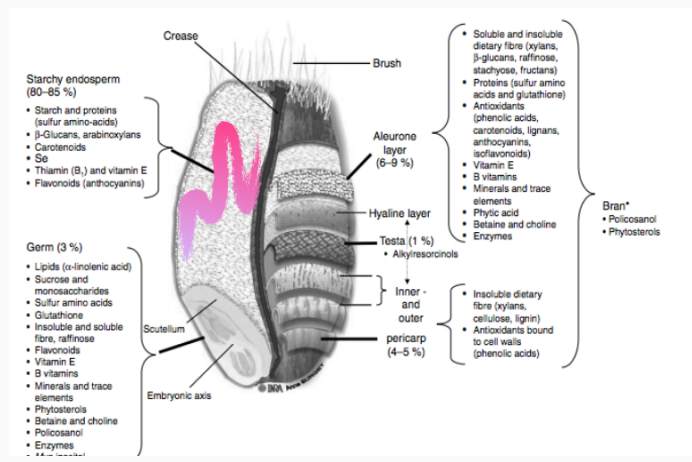
Checkout the picture of the rice grain above. By polishing and processing it, you eliminate everything but the starchy endosperm (the pink part marked). This deprives the grain of its nutritional value.
Solution: For your gut microbiome, incorporate whole grains into our Indian diets. Numerous changes have occurred since the 1970s with the way we are using our grains. Why? We rely too much on modern grains. These modern grains are low-quality food with a high-caloric density while being nutritionally deprived. Therefore it is time to bid farewell to modern grains and welcome the ancient grains. Remember how our grandparents spoke about eating amaranth, millets, brown rice, and barley during their times? Now is the time to bring back the good. Eating whole grains through Kodo millet idlis or red rice and bajra rotis will give you a taut midriff. These grains are easily digestible and rich in antioxidants and phytochemicals that assist in a healthy weight loss process.
Make an easy switch by just shifting your choice of grain for dinner to an unprocessed grain. So say no to bread and maida and switch to millets like quinoa or ragi.
2) We have come a long way from being malnourished to being overfed.
You do agree that there has been a big transition in global nutrition. The global obesity pandemic that was once a future is now a reality in developing countries like India. The same Indian diet that was one of the best diets is not the densest in calories. We are eating more calories than we used to. The truth is that we are being overfed in the name of nutrition.
How? That is because brands are supersizing anything virtually. Our “normal-sized” food portion has become two times larger than it was.
Our very own glucose-biscuit brand Parle-G is offering 40 grams of biscuits with a total pack of Rs. 48/-. Raise your hands if you are having a whole bunch of these biscuits during tea time to beat your sugar cravings? Yes, most of you are guilty! And, all this overfeeding has caused a dramatic shift in our weight.
Many say that milk is excellent for health as it gives us calcium for our bones. Brands like Amul are pushing the idea by advertising their products. Did you know that the cheese and butter from Amul barely contain any calcium? Yes, because they are a storehouse of cholesterol and saturated fats. The butter is filled with salt. Therefore if you have butter with your parathas or in your Pav bhaji, you are doing your bit to increase the LDL bad cholesterol.
Solution: Be mindful of marketing techniques used by brands and read product labels. It is easy to derive your calcium dose from just two cups of leafy green vegetables without having any saturated fats. Therefore go ahead and hog on the mustard greens, beet greens, and spinach. Fill your bowls and plates with gobi matar ki sabzi, palak paratha, methi matar, and whatnot.
3) Eating out more than ever before
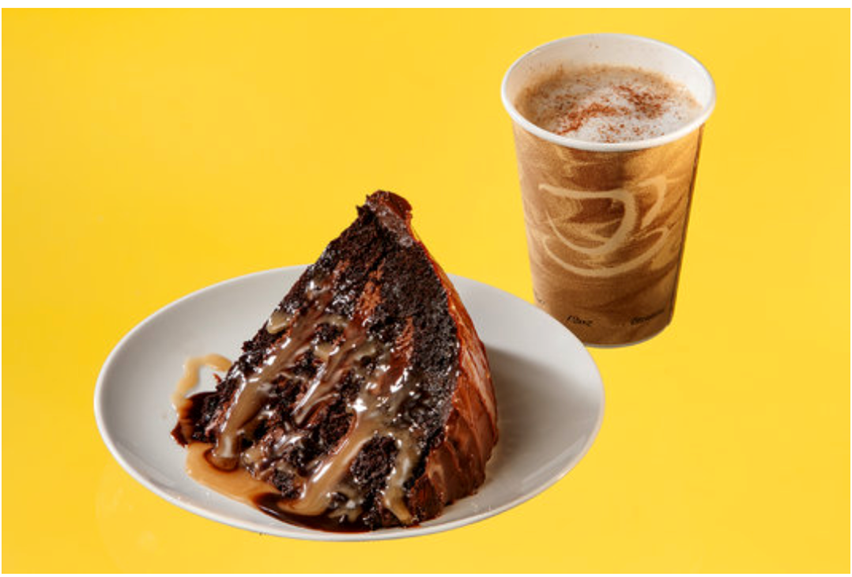
Let me just show you what 2000 calories gobbled down for ‘chai and nashta’ looks like:
The struggle to lose belly fat is even more real now as we can order restaurant food sitting at home, courtesy of the food delivery services. Most of us do not like to cook and head to a restaurant to have an enjoyable experience without having to clean up the dishes. Restaurant owners in India are feeding more people than ever before.
Here is another comparison for you:
The struggle to lose belly fat is even more real now as we can order restaurant food sitting at home, courtesy of the food delivery services. Most of us do not like to cook and head to a restaurant to have an enjoyable experience without having to clean up the dishes. Restaurant owners in India are feeding more people than ever before.
Here is another comparison for you:
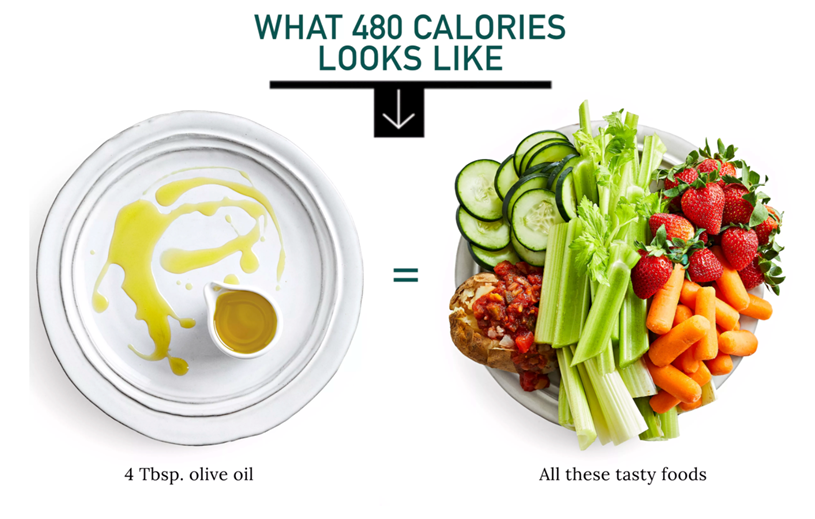
Gone are those days when home-cooked culinary delights used to be the thing, and family feasts used to be pleasurable. With busier lifestyles, quirky choices in food, and disposable incomes, the Indian consumer choice has also changed. According to a survey, Indian consumers are heading to a restaurant nearly seven to eight times a month.
Solution: Minimize your frequency of dining out or ordering food online. Rewind to your childhood when the family got together was the ideal thing to do. Make home-cooked eating the new normal because dishes served in a restaurant are calorie bombs. Remember, there is nothing like the light and less oily Ghar ka khana!
4) Not enough fiber:
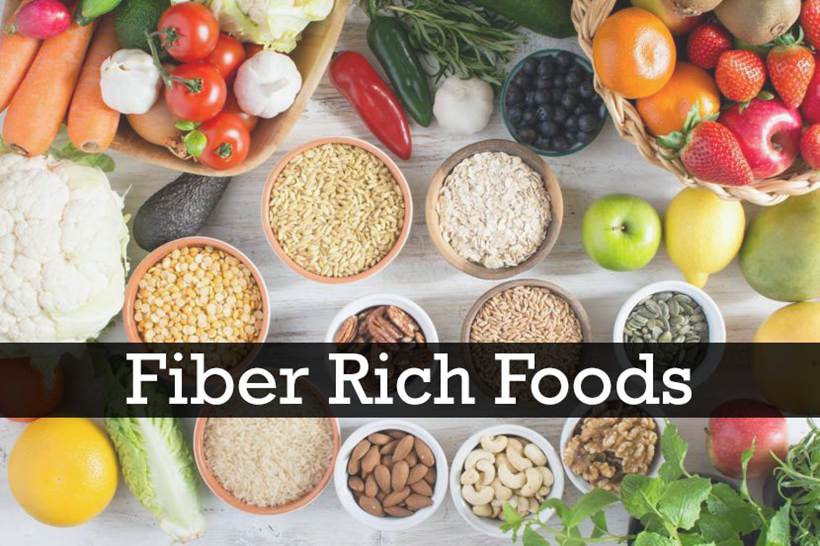
Fiber feeds the gut micro-bacteria which helps boost glycogen stores. Without this, your liver health goes for a toss, slowing your metabolism and storing food as long-term triglycerides (fat). Indians consume 15-30 grams of fiber, which is lower than the recommended intake. We do not realize that eating soluble fiber promotes an overall loss of fat by keeping the gut healthy. According to a survey, Kolkata’s city has topped the charts with a whopping 28 percent of residents being constipated. Why? People are not taking enough fiber. Lack of fiber is also a cause of disorders like PCOS.
Solution: Aim to eat 40 grams of fiber every day if you want to get rid of your belly fat. That is because fibers have high viscosity that provides increased fullness, reduces appetite, and leads to an automatic loss of weight. Fill your bowls with masoor ki daal, and chickpeas, or combine all kinds of vegetables with the lentils to have a diet low in calories. Going for fiber-rich foods like peas, beans, fruits, vegetables, and whole grains has lower triglycerides and reduces belly fat.
5) Obsession with dairy products and milk.
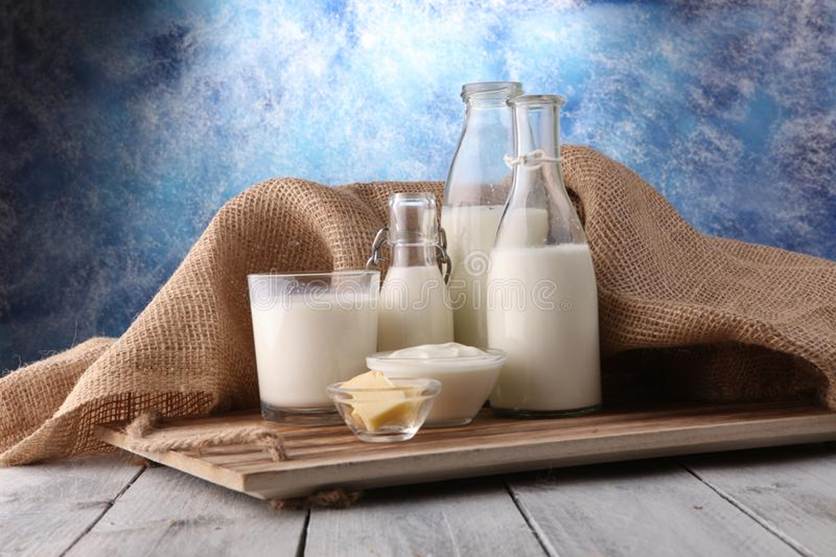
India is not just the largest milk producer but also the largest milk consumer. For an average Indian, the uses of milk go far beyond nutritional and dietary. Some call it the Amrit even. We use milk on special occasions, ghee for our sweets, and to even light our lamps. But what not many of us know is that this milk is anything but the elixir. Most dairy farms are milking us with their white lies.
Dairy cows are often artificially inseminated and hormones. It involves injecting a lot of growth hormones into the female cows. What is the outcome? We end up consuming milk that contains elevated hormone levels that increase our weight. Dairy products never facilitate weight loss; instead, it increases the basal mass index of our body. It also makes us susceptible to all kinds of cancers, diabetes, heart diseases, and obesity.
Solution: Opt for plant-based milk options like soy milk that is entirely devoid of, prostaglandin, progesterone, and estrogen. Go for almond milk as plant-based milk is not contaminated like the milk coming from cattle. These plant-based options do not have any thickeners like paint, glucose, or starch that your regular glass of milk has. There is no melamine or urea in the plant-based dairy or any bleach to improve whiteness, like in a glass of cow milk. Watch the below video to make your own at home:
Unhealthy High Fat Indian Food, Snacks, and Dishes
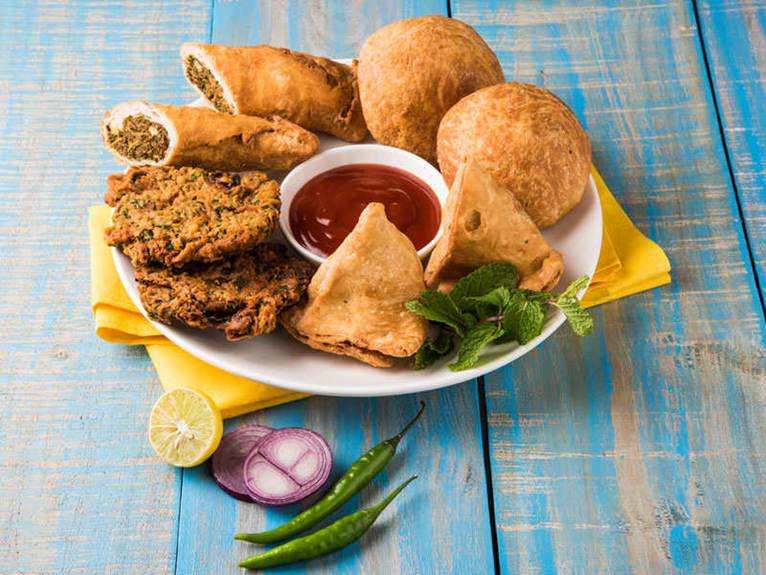
- Samosa – 262 Calories
- Jalebi – 150 Calories
- Chole Bhature – 450 Calories
- Poori Chole – 427 Calories
- Naan – 110 Calories
- Falooda – 407 Calories
- Pav Bhaji – 401 Calories
- Pakoras (one piece) – 75 Calories
- Kachori – 186 Calories
- Paani Poori – 329 Calories
- Bhujia (10g or 1 serving) – 63 Calories
- Patties (Aloo) – 170 Calories
- Vada – 73 Calories
- Barfi (Coconut barfi) – 80 Calories
- Paranthas (one wheat paratha) – 126 Calories
- Toast Butter – 116 Calories
- Misal Pav – 289 Calories
- Maggi – 205 Calories
- Breakfast cereals – 378 Calories
- Fried Eggs – 72 Calories
- Momos (one piece) – 35 Calories
- Carrot halwa (one serving) – 48 Calories
- Kathi Rolls – 192 Calories
- Fried rice – 163 Calories
- Egg Puff – 135 Calories
- Veg Puff – 170 Calories
- Chicken Puff – 170 Calories
- Gobi Manchurian – 294 Calories
- Paneer Butter Masala – 635 Calories
- Chicken Butter Masala – 437 Calories
- Groundnut Barfi (Chikki) – 79 Calories
- Masala Vada – 100 Calories
How to make it healthy?
Oil-free cooking is honestly not as bland as we make of it. With the invention of air-fryer and OTG ovens, you could still enjoy your crispy samosas without all the excess calories. These options are easy, accessible, and healthy. Even if you do not want to invest in kitchen gadgets (although I think they are totally worth the penny), exploring oil-free cooking is worth a try. Using water instead of oil for your tadka is easy and does not change the flavor of the dish by much. Consider switching to water for regular daal and sabzi that you eat often. Leave your oily indulgence for when you eat out once every weekend.
Parting thoughts
In all honesty, I absolutely LOVE swiggy and zomato at my fingertips. But I have trained my gut to thoroughly enjoy and cherish home-cooked meals. I will still order once in a while, but it’s mindful.
To get rid of your potbelly, increase your fiber intake, find joy in home-cooked meals, and stop your obsession with dairy. Make the best use of whole grains to cook food and not fall prey to a brand’s supersized diet’ offers. Follow my Instagram for daily tips and tricks for lifestyle changes you can adopt for permanent fat loss.