If there is one thing that can be directly associated with life-threatening heart diseases, it is ‘cholesterol’. Higher levels of cholesterol in the body worry many. The biggest challenge is that cholesterol is misunderstood by almost every one of us.
Cholesterol has often been called a ‘silent killer’, majorly because you notice no symptoms when your cholesterol levels shoot high. Unhealthy cholesterol levels could lead to numerous health issues from heart attacks to strokes, and from diabetes to high blood pressure.
To understand all of the cholesterol and its impact on our health, we must understand what cholesterol is?
We often have been hearing that cholesterol has ill effects on our health and we should reduce the intake of high cholesterol foods. Despite all that we hear of cholesterol, do you know that cholesterol is necessary for the human body and overall health? Another thing that you should know is that cholesterol is a naturally occurring substance produced by our liver, and the body needs a certain amount to function optimally.
Cholesterol is made by the body and is critical for its existence. Cholesterol serves certain specific purposes in the human body like:
- It is an essential component of human tissues.
- Cholesterol aids in the production of bile in our liver.
- It is responsible for the production of sex hormones in the human body.
All of these are very crucial bodily functions that our body can perform with an adequate amount of cholesterol, however, regular consumption of high cholesterol foods like animal products and dairy can lead to the increased quantity of cholesterol in our body, and increase the risks of developing some serious illnesses like obesity, heart diseases, cancers, diabetes, and many others.
The Good and the Bad Cholesterol

Now that you have understood that cholesterol meets some critical functional needs of our body, but having too much of it can be dangerous for our health, you need to know that in both conditions – Hypercholesterolemia (high cholesterol levels) and Hypocholesterolemia (low cholesterol levels) is bad for us.
There are two types of cholesterol – HDL (High-Density Lipoproteins) and LDL (Low-Density Lipoproteins). These lipoproteins are protein and fat compounds that carry the cholesterol molecule within the bloodstream throughout the body.
LDL, Low-Density Lipoprotein is termed as ‘Bad Cholesterol’, and it is so because, if the levels of LDL rise in the body and the bloodstream, it can deposit on the walls of the blood carrying arteries, and hardening them. These deposits on the artery walls are known as ‘plaque’ which with time can either narrow the blood vessels, restricting the flow of oxygen-rich blood through our body, or form blood clots, which can break loose and cause the arteries to choke, leading to heart attacks and strokes.
HDL on the other hand is termed as the ‘Good Cholesterol’, as it helps to clear the bad ones from our arteries, dropping them in the liver to be excreted out of the body. Higher levels of HDL are considered good for the body and reduce the chances of any heart problems.
What causes high cholesterol levels in the body?
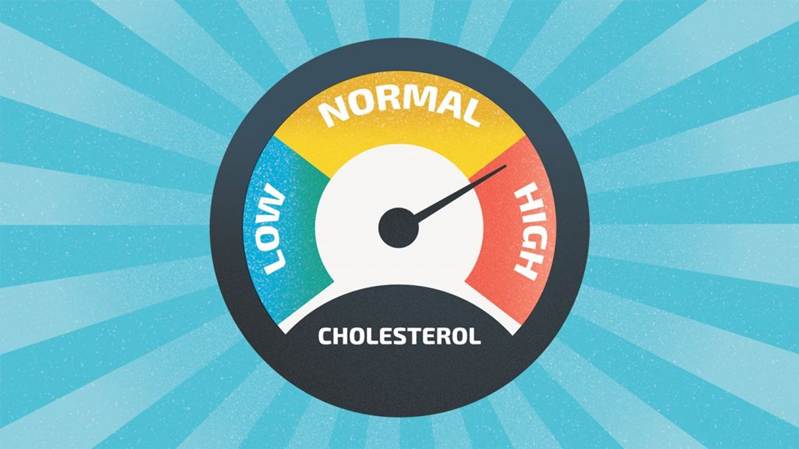
One of the many, our Diet and Lifestyle has mainly been attributed as the two major factors responsible for our cholesterol (bad ones) levels to shoot high and lead us to many health-related issues. However, hereditary conditions may also be responsible, the other two reasons for higher cholesterol levels in our body are also related to our diet and lifestyle – Being Overweight (caused by poor dietary selection and eating high cholesterol foods) and smoking and high consumption of alcohol (lifestyle causes).
The Cholesterol Diet
Our diet plays a major role in deciding our body’s cholesterol levels. A heart-healthy diet, regular exercises, managing our body weight and lifestyle changes can lower high cholesterol levels and keep us safe from its dangers. A cholesterol diet is the one that recommends us to:
- Choose Healthier Fats
The aim should be to limit the consumption of both – total fat and saturated fats. You should aim to get 25 to 30% of your daily calories from dietary fat sources, and less than 7 % of the calorie needs from saturated fats.
Fats that are bad for us: Saturated and Trans fats. Both are responsible for raising the levels of LDL (bad cholesterol), more than anything else. Instead, you should aim for healthier fat options in your diet like lean meats, unsaturated oils like olive oil, safflower oil, and canola oil, and nuts.
- Saturated fat is found in : Meats, Baked food items, Processed food items, Deep-Fried foods, Dairy, and Chocolate.
- Trans fat can be found in : Food products made of hydrogenated oils and fat sources like French Fries, Crackers, and Margarine.
- Enjoy more plant foods
Plant-based and certain foods like vegetables, fruits, nuts, seeds, whole grains, and vegetable oils are enriched with the goodness of plant sterols and stanols. Eating these foods is like wearing a defending guard against cholesterol, as foods with sterols and stanols fight rising blood cholesterol levels, thereby reducing our LDL count. Certain other foods like some orange juices, cereals, and many breakfast bars are fortified with sterols and stanol and are good to have.
As we must focus on our cholesterol diet and on Food to lower cholesterol, it is also important at the same time that we stay clear of high cholesterol foods. Now let’s break high cholesterol foods into two categories:
- Foods that are high in cholesterol and should be avoided.
- Fired Foods such as deep-fried meat and meat products and cheese sticks.
- Fast Foods.
- Processed Meats such as hot dogs, sausages, and alike.
- Desserts like cookies, pastries, ice creams, and sweets.
Foods that are high in cholesterol, but are healthy. Such foods should be consumed but within limits with consideration.
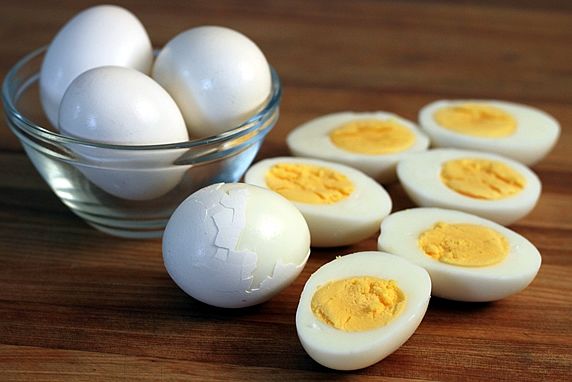
- Eggs are highly nutritious, but high in cholesterol too.
- Shellfishes like calms, shrimps, and crabs.
- Organ meats such as liver, kidney, and heart.
- Sardines.
- Full-fat yogurt.
- Full-fat cheese.
Diet plays a major role in lowering and controlling cholesterol levels. Just as important as it is, to be heavy on the consumption of vegetables, fruits, beans, legumes, and nuts, it is also good that we adapt to healthier lifestyle changes and keep ourselves physically active, as all of these together goes much beyond lowering our cholesterol levels. It also keeps our blood pressure under check, makes our arteries flexible and responsive at the same time. Such changes are good for our bones and digestive health too, along with our mental health and vision.
Always remember, that making even modest changes can go a long way in preventing significant medical or health issues later.