Iron deficiency anemia is a condition that occurs when your body does not have enough iron. Our body depends on iron chiefly for producing hemoglobin, which enables red blood cells to carry oxygen. Hence, a deficiency of iron can leave you tired and short of breath.
Iron is important in maintaining several body functions; it is required for maintaining healthy cells, skin, hair, and nails. While the condition may be common, many people don’t know they have iron-deficiency anemia. It’s possible to experience symptoms for years without knowing the cause.
Who are at Risk of Iron Deficiency?
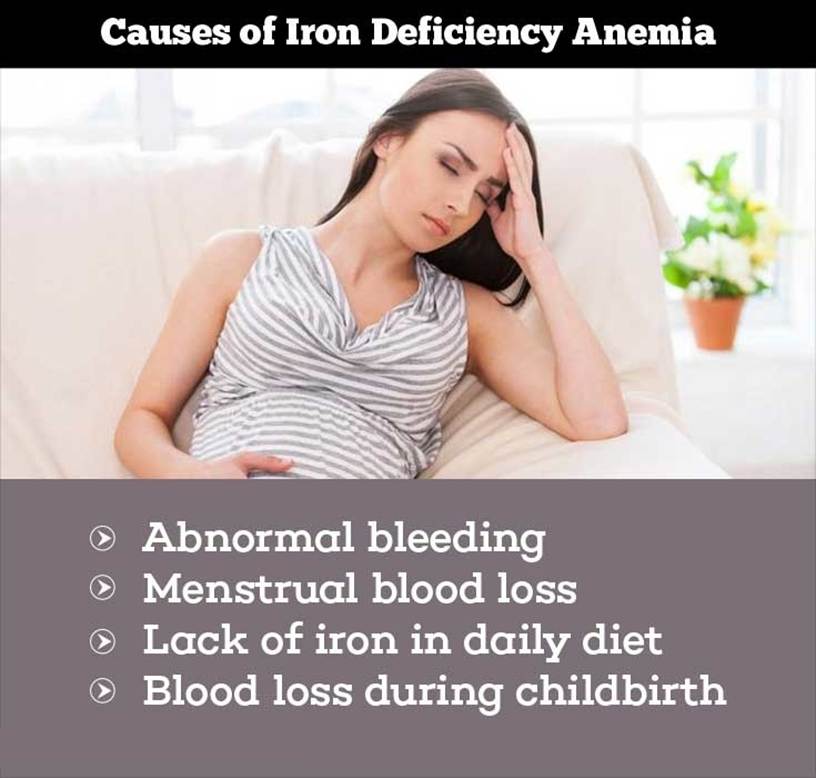
Iron deficiency is very common, especially among women and in people whose diet lacks adequate iron. People at increased risk of iron deficiency include:
- Women who menstruate; heavy menstrual periods deprives the body of its iron stores.
- Pregnant women, women who have had a recent delivery or are breast feeding.
- Vegetarians, vegans, people whose diet lacks iron-rich foods. Even iron-rich vegetables are inferior to meat, poultry and fish since iron from the latter is more easily absorbed by the body.
- People with peptic ulcer; those who have undergone major surgery or physical trauma. Bariatric surgery, especially gastric bypass operations, increases the risk.
- People with gastrointestinal diseases such as celiac disease (sprue), or inflammatory bowel diseases such as ulcerative colitis, or Crohn disease.
What are the symptoms of iron-deficiency anemia?
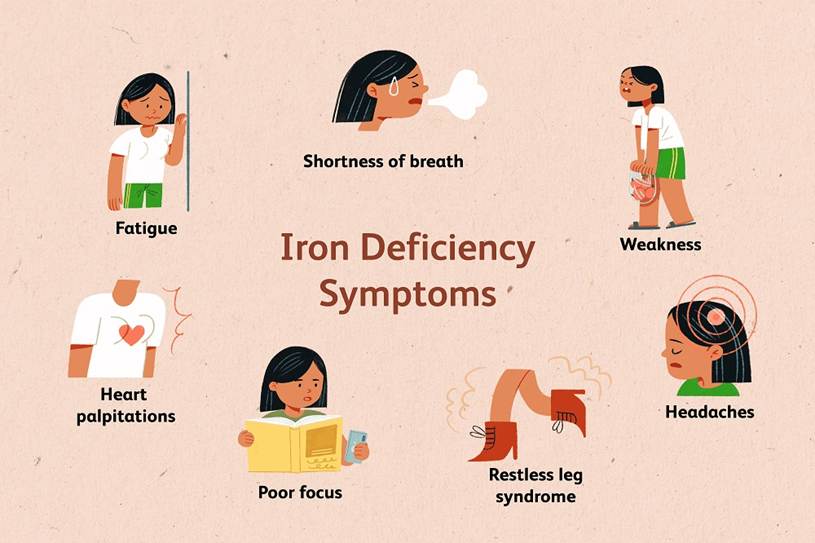
The symptoms of moderate to severe iron-deficiency anemia can include:
- general fatigue
- weakness
- pale skin
- shortness of breath
- dizziness
- strange cravings to eat items with no nutritional value
- a tingling or crawling feeling in the legs
- tongue swelling or soreness
- cold hands and feet
- fast or irregular heartbeat
- brittle nails
- headaches
How is iron-deficiency anemia treated?
How your iron deficiency anemia is treated will depend on how severe the problem is and what caused it in the first place. Most forms of this condition involve a lack of iron in your diet or problems with your body absorbing the iron you do consume. Below are some options for treatment.
Iron supplements
Iron tablets can help restore iron levels in your body. If possible, you should take iron tablets on an empty stomach, which helps the body absorb them better. If they upset your stomach, you can take them with meals. You may need to take the supplements for several months. Iron supplements may cause constipation or black stools.
Diet
Diets that include the following foods can help treat or prevent iron deficiency:
- red meat
- dark green, leafy vegetables
- dried fruits
- nuts
- iron-fortified cereals
Additionally, vitamin C may help your body absorb iron. If you’re taking iron tablets, a doctor might suggest taking the tablets along with a source of vitamin C, such as a glass of orange juice or citrus fruit.
You may also need to consider things you eat or drink that can lower your iron levels or decrease absorption of iron, like black tea.
Iron deficiency anemia is the most common type of anemia. It occurs when your body doesn’t have enough iron. Potential causes include not eating enough iron-rich foods, blood loss due to menstruation, and inability to absorb iron.
Don’t try to diagnose and treat iron-deficiency anemia by yourself. You could end up with too much iron in your blood which can cause other health conditions, including constipation and even liver damage.